Kai Neumann · 2 September 2026
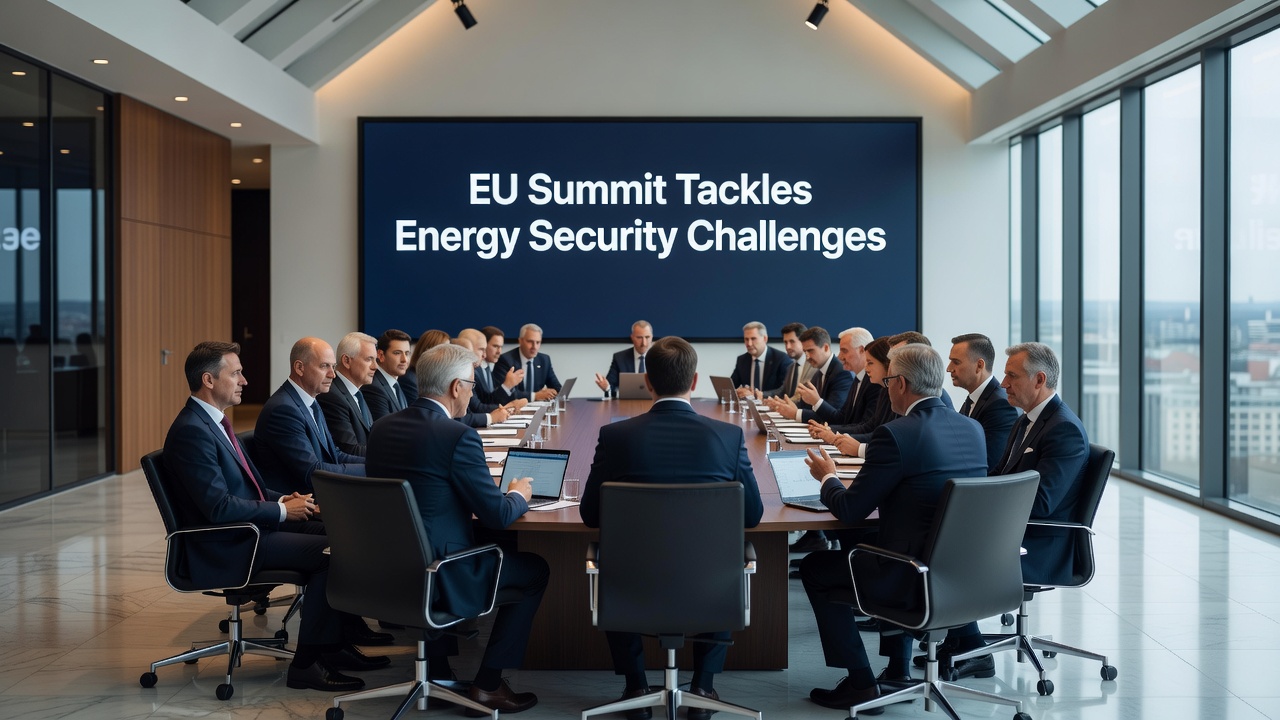
European Union heads of state convened in Brussels for a critical summit dedicated to tackling energy security challenges facing the continent. The meeting comes at a time of heightened global uncertainty, prompting urgent calls for unified action among the 27 member states.
Strategies for Energy Diversification
Central to the agenda was the diversification of energy supplies to mitigate risks associated with geopolitical instability. Delegates explored options for expanding imports of liquefied natural gas from various international partners. Emphasis was placed on developing domestic renewable resources such as wind, solar, and hydrogen technologies. The European Commission outlined plans to invest billions in upgrading energy infrastructure, including pipelines and electricity grids that facilitate cross-border trade. Representatives from southern and eastern member states voiced concerns over their specific vulnerabilities and advocated for targeted support mechanisms. Data presented indicated that current storage levels are adequate for the winter season, but long-term resilience requires further action. Collaborative projects involving multiple countries were highlighted as models for future cooperation in the energy sector.
Policy makers also addressed the integration of nuclear power in the energy mix for nations that choose this path. Safety standards and waste management protocols were reviewed to ensure compliance with EU regulations. The summit underscored the balance between security of supply and environmental sustainability.
Advancing Towards Sustainable Energy Goals
Looking ahead, leaders committed to accelerating the green transition while safeguarding against energy shortages. New targets were set for increasing the share of renewables in the overall energy consumption by 2030. Financial incentives and regulatory reforms were proposed to encourage private sector involvement in clean energy projects. International cooperation was deemed essential, with discussions on strengthening ties with African and Middle Eastern countries for sustainable energy partnerships. Monitoring and reporting frameworks were established to track implementation progress across the union. The outcomes are expected to shape legislative proposals in the coming year, fostering a more secure and resilient energy landscape for European citizens and industries alike. Analysts suggest that these measures could reduce import dependencies by up to thirty percent over the next five years if fully realized. The role of innovation in energy technologies was also a key topic, with calls for increased funding in research initiatives across member states to support long-term objectives.