Kai Neumann · 2 September 2026
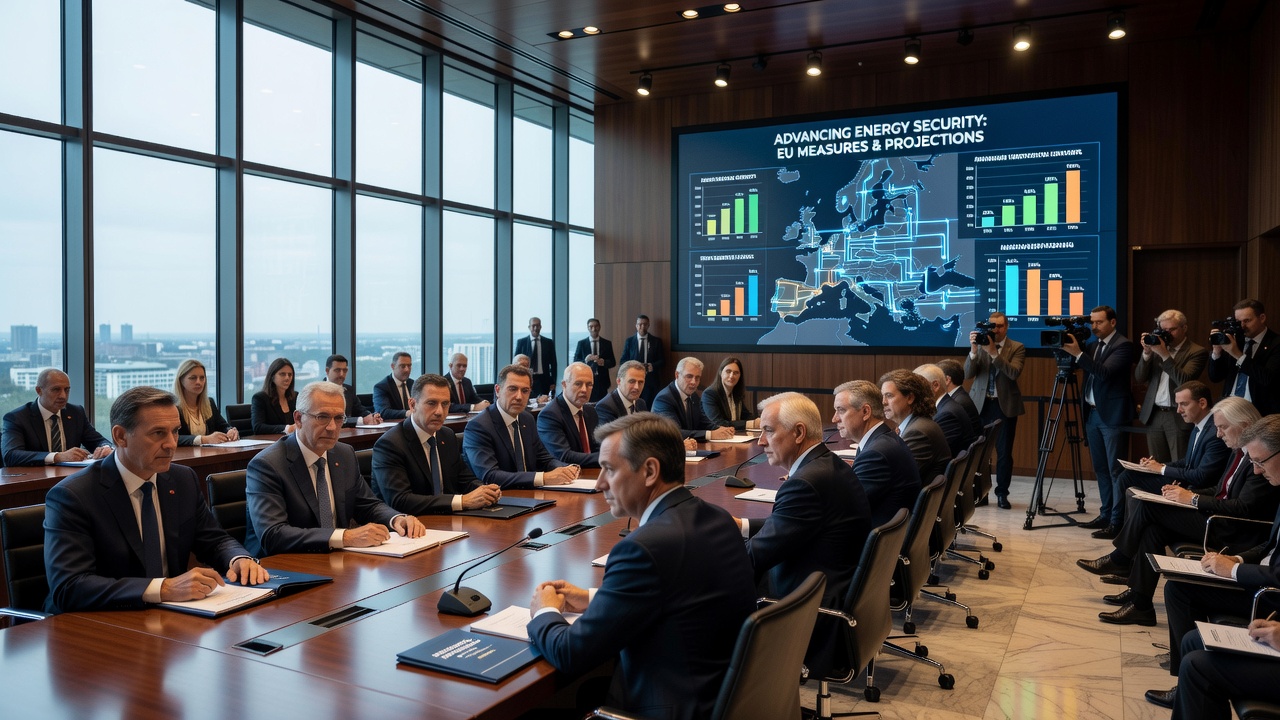
The European Union summit in Brussels convened leaders to address energy security amid global uncertainties. Discussions highlighted vulnerabilities in supply chains and the urgency for coordinated responses across member states.
Participants reviewed strategies to mitigate risks from geopolitical tensions and market volatility. Emphasis was placed on collective resilience through shared resources and diversified imports.
Strategies for Energy Diversification
Proposals focused on expanding renewable capacity including wind and solar installations to lower external dependencies. Cross border infrastructure received priority funding to facilitate efficient energy distribution. Nuclear options were debated as stable complements to intermittent sources with environmental safeguards considered. Data presented indicated potential reductions in import reliance by significant margins within a decade. Alternative suppliers from multiple regions were targeted for long term contracts to stabilize supplies during peak demand periods.
Regulatory streamlining was agreed to accelerate project approvals while maintaining safety standards. Hydrogen development emerged as a key innovation area with pilot initiatives showcased for broader rollout.
Addressing Geopolitical Risks
Geopolitical analysis underscored the need to avoid overreliance on single providers. New partnerships were explored to secure additional liquefied natural gas volumes. Economic impacts including consumer costs were examined with support packages proposed for affected households. The summit produced a unified declaration committing to ongoing monitoring and adaptive policies. National governments now face alignment tasks to implement the framework cohesively. Analysts stressed storage advancements and technological integration as vital for managing supply fluctuations effectively. Follow up sessions will track milestones and adjust approaches based on emerging data.